


- January 12 2026
- Nikias Kray
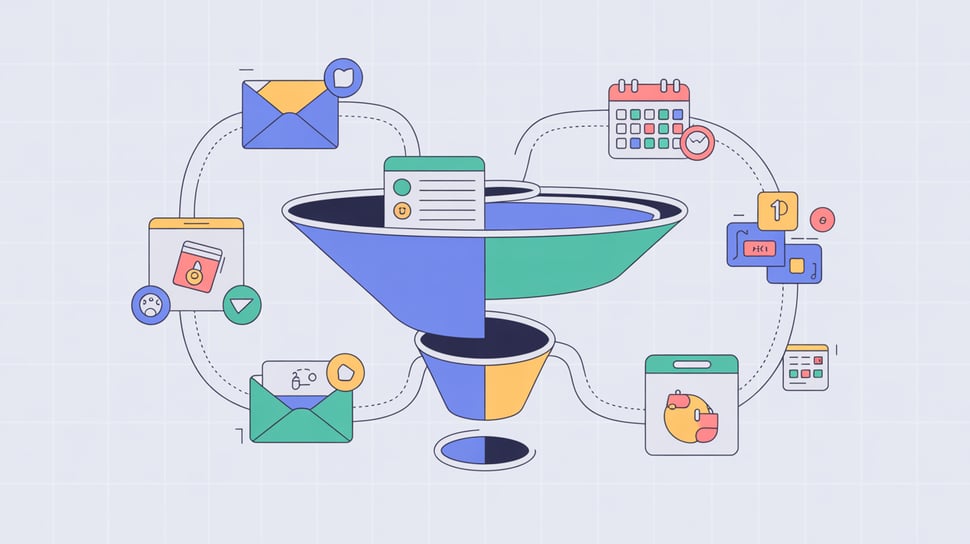
Manual follow-up didn’t become ineffective overnight.
It simply stopped keeping up with reality.
In 2026, sales cycles are longer, inboxes are noisier, and buyers expect relevance, timing, and context. And yet, many sales teams still rely on memory, sticky notes, and “I’ll follow up later” to move deals forward.
This is why deals don’t get lost loudly anymore.
They just fade.
Sales automation didn’t emerge to replace salespeople.
It emerged because humans are bad at being consistent at scale.
Why manual follow-up quietly kills revenue
No sales rep forgets on purpose.
They forget because:
-
they’re handling too many conversations
-
leads arrive from too many channels
-
priorities change daily
-
follow-up depends on mood and memory
The result is predictable:
-
hot leads cool down
-
prospects talk to competitors first
-
pipeline forecasts become optimistic fiction
This isn’t a performance issue.
It’s a system failure.
In 2026, any sales process that depends on human recall is already broken.
The real problem isn’t follow-up — it’s timing
Most sales advice focuses on what to say.
But deals are won or lost on when it’s said.
Reach out too early, and you feel pushy.
Reach out too late, and you’re irrelevant.
Manual follow-up can’t solve this at scale.
Sales automation can — because it reacts to signals, not guesses:
-
email opens and replies
-
page views and pricing visits
-
form submissions and inactivity
-
meeting outcomes
When follow-up is triggered by behavior, timing stops being subjective.
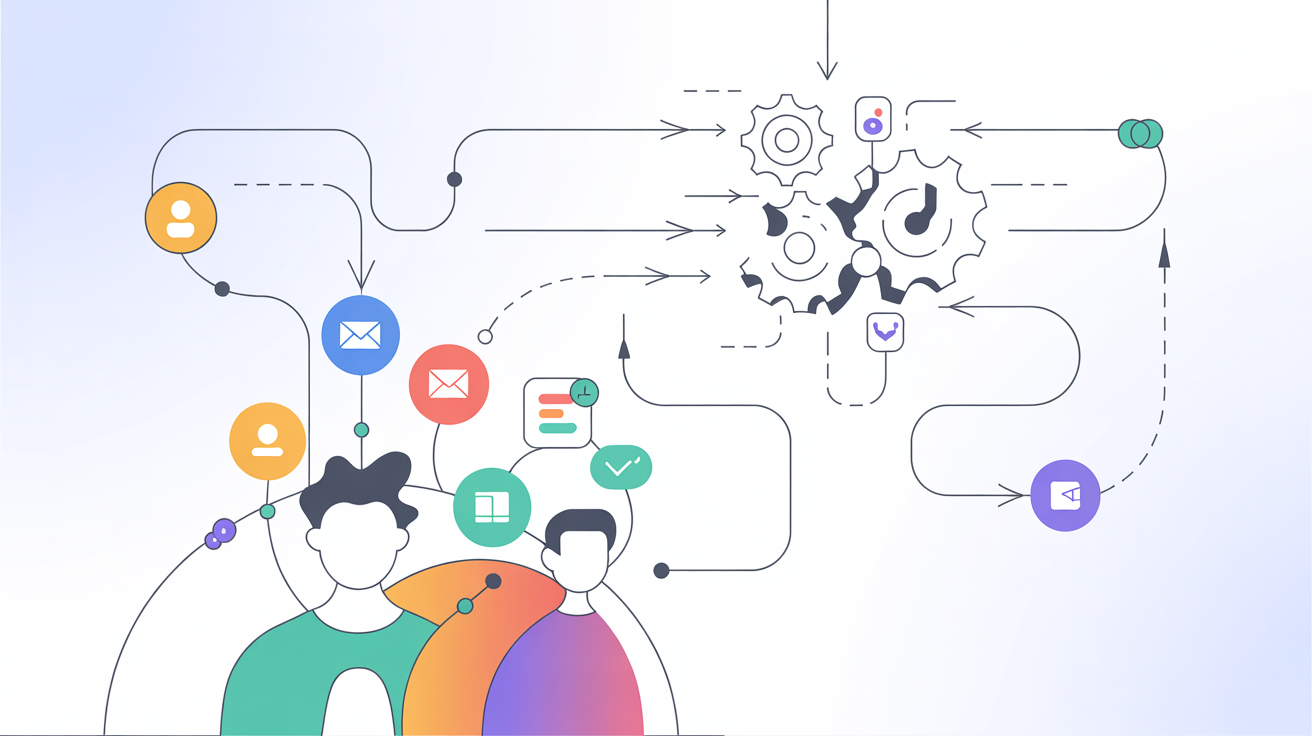
Why most “sales automation” setups fail
Many teams tried automation once — and hated it.
Not because automation doesn’t work, but because it was implemented wrong.
Typical failure patterns look like this:
-
generic sequences sent to everyone
-
automation fighting with sales reps
-
emails firing without context
-
no visibility into what’s automated and why
Automation becomes noise instead of leverage.
In 2026, sales automation only works when it respects one rule:
automation should support human selling, not replace it.
This philosophy is embedded into HubSpot’s workflow and sequence model, described in their official documentation on HubSpot workflows.
What sales automation actually means in 2026
Modern sales automation is not about “sending more emails”.
It’s about orchestrating touchpoints across time.
In a working system:
-
reps never wonder who to follow up with
-
no lead waits without a next step
-
inactivity triggers action
-
context is preserved automatically
Automation handles consistency.
Humans handle conversations.
That separation is what makes the system scale.
Follow-up is no longer a task — it’s a process
The biggest mindset shift in 2026 is this:
Follow-up is not an action.
It’s a process with rules.
Those rules answer questions like:
-
How soon should we follow up after a demo?
-
What happens if there’s no reply after 3 days?
-
When does a deal become “stalled”?
-
When should a lead return to nurture?
When these rules live only in people’s heads, revenue leaks.
When they live in HubSpot, revenue stabilizes.
Lifecycle logic is central here, as explained in HubSpot lifecycle stages documentation.
Why automation improves trust inside sales teams
Here’s a counterintuitive outcome.
Good sales automation actually reduces pressure on reps.
Because:
-
they stop worrying about forgetting things
-
managers stop micromanaging follow-up
-
expectations become clear and fair
-
performance discussions are data-driven
Automation removes ambiguity — and ambiguity is exhausting.
Sales teams don’t resist automation because they hate systems.
They resist bad systems that take control away instead of giving it back.
Automation without analytics is still guessing
One of the biggest mistakes is automating follow-up without measuring outcomes.
In 2026, sales automation must be tied to:
-
engagement metrics
-
conversion rates
-
pipeline movement
-
revenue outcomes
This requires clean analytics setup, where conversion events are defined clearly — following Google’s guidance on GA4 key events — and matched with CRM pipeline data.
Otherwise, automation looks “busy” but stays unaccountable.
When sales automation becomes a competitive advantage
Sales automation becomes truly powerful when competitors don’t have it.
Because:
-
you respond faster
-
you follow up more consistently
-
you never “forget”
-
you re-engage when others give up
Buyers don’t choose the most automated company.
They choose the one that shows up at the right moment.
Automation just makes sure that moment never gets missed.
Why CRM Magnetics builds sales automation differently
At CRM Magnetics, sales automation is not about sequences.
It’s about protecting revenue.
We design follow-up systems that:
-
align with real sales behavior
-
respect buying cycles
-
adapt to engagement signals
-
integrate fully with HubSpot CRM
Automation is implemented as part of the broader revenue system — not as a layer on top of chaos.
HubSpot Setup & Automation by CRM Magnetics
Final thought
Manual follow-up didn’t fail because salespeople stopped caring.
It failed because the environment outgrew human memory.
In 2026, sales teams that rely on reminders will fall behind teams that rely on systems.
If your follow-up still depends on someone “remembering”, it’s already costing you deals.
Talk to CRM Magnetics about sales automation that actually works
And build a system that never drops the ball — even when people are busy
Leave your thought here
Your email address will not be published. Required fields are marked *