


- December 8 2025
- Nikias Kray

RevOps (Revenue Operations) is what happens when a company stops running growth on vibes—and starts running it on systems.
If your CEO wants forecasts, marketing wants credit, sales wants “better leads,” and customer success wants fewer broken handoffs—RevOps is the framework that aligns all of that into one operating model.
And HubSpot is often the easiest place to operationalize it.
This playbook walks you through a practical RevOps implementation in HubSpot—what to set up, what to fix first, and how to run the first 90 days without overbuilding (or overthinking).
If you want a quick baseline definition before you start, HubSpot’s own overview is a good reference: HubSpot Academy’s intro to RevOps
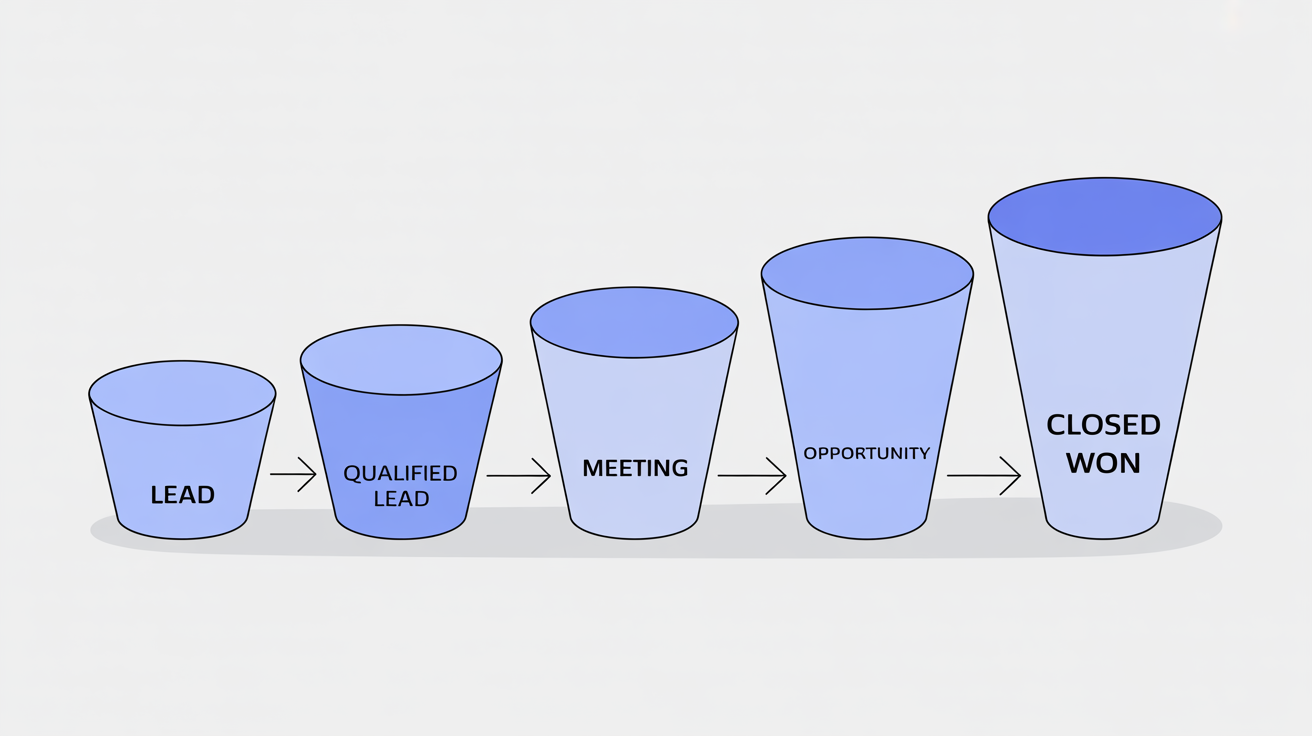
Step 1 — Define one funnel (so you stop arguing about “lead quality”)
RevOps starts with a simple rule: marketing and sales must use the same funnel language.
In HubSpot, that typically means agreeing on lifecycle boundaries and then using HubSpot’s lifecycle model consistently. Start here: HubSpot lifecycle stages documentation.
Your goal isn’t “more stages.” Your goal is less ambiguity:
-
What counts as a Lead?
-
What makes a Lead “Qualified”?
-
When is a sales rep allowed to create a Deal?
-
What is “Sales Accepted”?
When those are vague, every other system becomes fragile.
Step 2 — Set ICP + qualification rules (so alignment becomes measurable)
“Lead quality” should never be a debate. It should be a score.
Define your ICP (ideal customer profile) in plain language: industry, company size, geography, job titles, tech stack, buying triggers. Then turn that into tracking rules.
If you already want a dedicated HubSpot setup for this, your internal page can be your “deep dive” link: ICP Tracking
Now qualification becomes operational:
-
Fit signals (industry, size, role)
-
Intent signals (pricing views, demo intent, high-intent content)
-
Engagement signals (email clicks, returning visits, form submissions)
Step 3 — Create SLAs (because “alignment meetings” don’t move pipeline)
RevOps makes alignment real through SLAs:
-
Speed-to-lead: contacted within X hours
-
Minimum follow-up attempts
-
A recycling path: “not ready” goes back into nurture (automatically)
This is the moment RevOps stops being theory and becomes execution.
Step 4 — Make HubSpot the single source of truth (not a dumping ground)
HubSpot should be your operating system, not your archive.
That means:
-
consistent properties (lead source, segment, lifecycle, deal stage)
-
controlled dropdowns (removes “creative data”)
-
automation that keeps records clean without relying on memory
If your system needs a structured rebuild, point readers to a service page instead of letting them DIY it indefinitely:
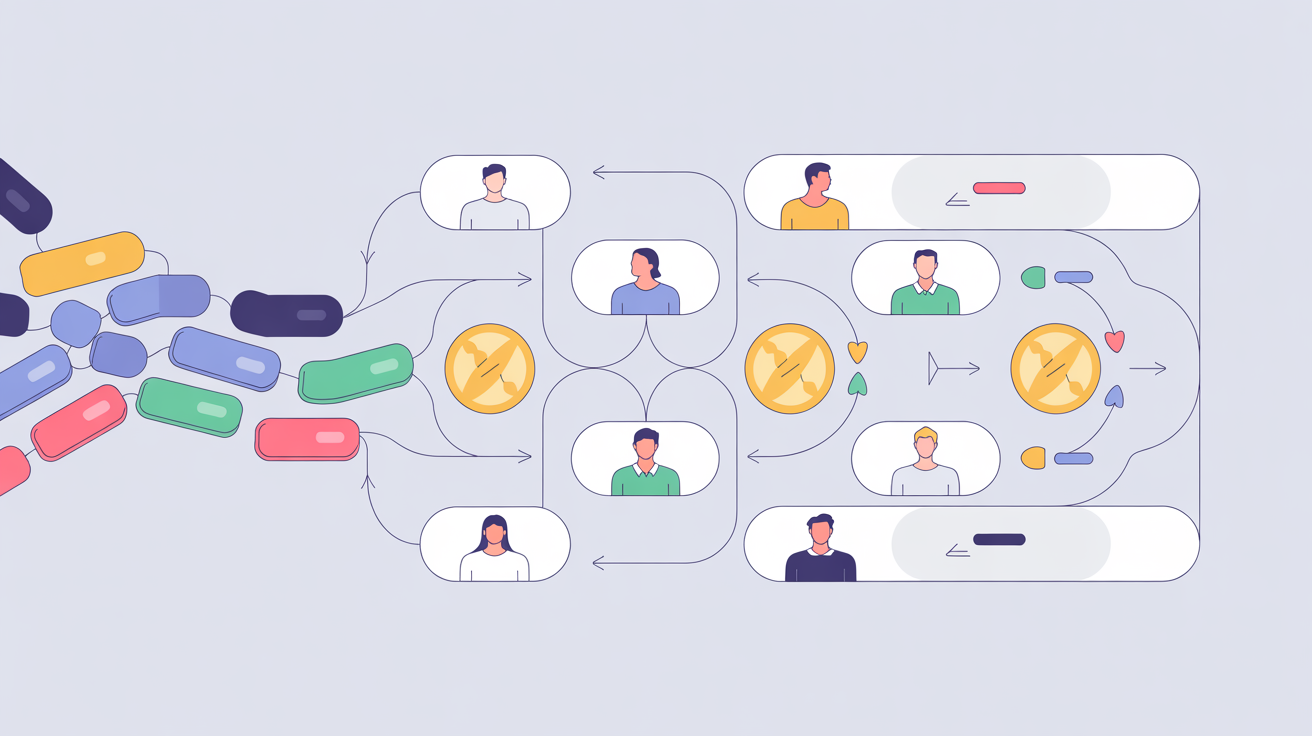
Step 5 — Build lead scoring + routing (the fastest revenue win)
Most funnel leakage happens early:
-
leads wait too long
-
leads go to the wrong rep
-
“high intent” looks the same as “curious”
Fix it with lead scoring + routing.
For HubSpot-specific scoring setup, HubSpot’s latest reference is here: understand the lead scoring tool.
Then route by territory, segment, service line, or round robin. The key is: no manual assignment.
Step 6 — Build dashboards that show leaks (not vanity)
RevOps dashboards exist to answer one question:
Where is revenue being lost—and why?
Your core set should include:
-
speed-to-lead
-
stage conversion rates
-
time in stage (deal inertia)
-
pipeline created by source/segment
-
win rate by source/segment
If you want an internal resource to link as proof you do this, use your services hub: Our Services
Step 7 — Tie reporting to business outcomes (not just activity)
Good RevOps reporting connects effort → outcomes.
That means proper conversion tracking (demo requests, booked calls, “contact sales,” etc.). GA4’s official guidance is here: set up key events (conversions) in GA4
And for organic visibility trends, the reference point is: Search Console Performance report
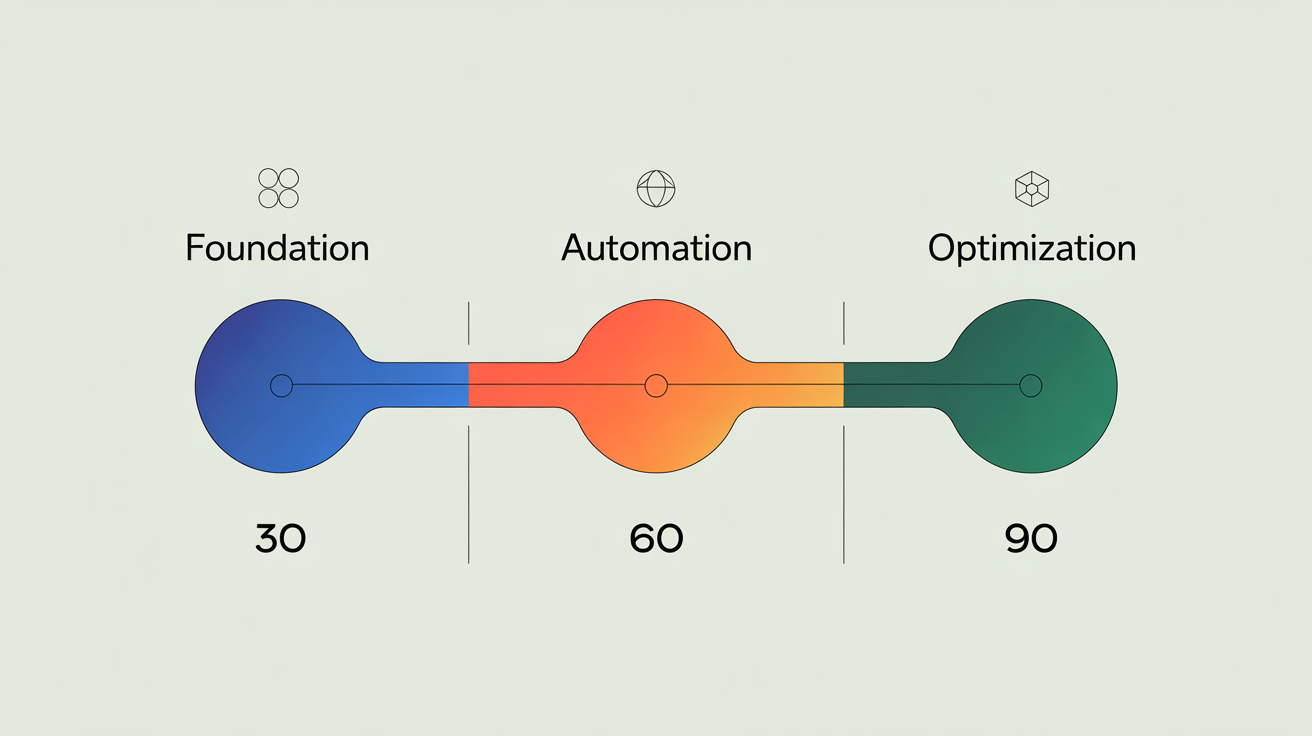
The 90-Day rollout plan (realistic and repeatable)
Days 1–30: Foundation
-
funnel definitions + lifecycle logic
-
ICP rules + qualification criteria
-
property cleanup + data hygiene
-
SLA baseline tracking
Days 31–60: Automation
-
scoring + routing
-
follow-up workflows
-
dashboards MVP
-
lead recycling into nurture
Days 61–90: Optimization
-
fix funnel drop-off by stage
-
improve speed-to-lead
-
refine qualification + scoring thresholds
-
increase conversion rates without increasing headcount
Conclusion: RevOps isn’t a team. It’s a system.
If you align on definitions, enforce SLAs, automate the handoffs, and measure the leaks—you’ll feel the difference fast.
And if you want this implemented inside HubSpot (cleanly, fast, and without chaos), start here:
Get in touch if you're ready to turn HubSpot into a CRM that mirrors your business — not the other way around.
Leave your thought here
Your email address will not be published. Required fields are marked *