


- January 26 2026
- Nikias Kray
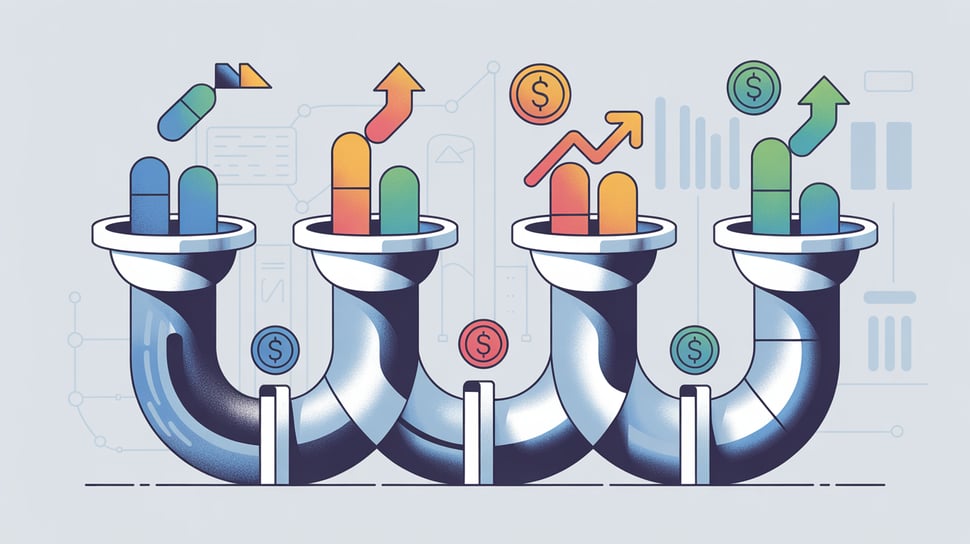
Most companies don’t lose revenue dramatically.
They lose it quietly.
Deals stall.
Leads cool down.
Follow-ups slip.
Forecasts miss.
Nothing is “broken enough” to panic — but year after year, growth feels harder than it should.
In 2026, this usually points to one thing:
there is no revenue system — only a collection of tools, people, and good intentions.
HubSpot, when implemented correctly, is not just a CRM.
It’s the backbone of a revenue system that either contains growth — or lets it leak.
Why pipelines leak (even when they look full)
A full pipeline creates a dangerous illusion.
Dashboards show deals. Forecasts look optimistic. Meetings feel productive. And yet, revenue doesn’t materialize at the expected pace.
Pipeline leakage happens because:
-
stages are vague
-
ownership is unclear
-
follow-up is inconsistent
-
data is unreliable
-
no one sees friction early enough
Most teams notice leaks only after deals are already lost.
In 2026, that’s too late.
The shift from “sales pipeline” to “revenue system”
Here’s the core mindset change.
A sales pipeline shows where deals are.
A revenue system explains why they move — or don’t.
A real revenue system connects:
-
demand generation
-
lead handling
-
qualification
-
sales execution
-
follow-up
-
analytics
HubSpot is uniquely positioned here because lifecycle stages, pipelines, automation, and reporting live in one environment — not across disconnected tools.
That lifecycle logic is foundational, as explained in HubSpot lifecycle stages documentation

Where revenue leaks first (and almost nobody looks)
The first leak rarely happens in closing.
It happens before sales even starts.
Leads arrive, but:
-
response is delayed
-
qualification is subjective
-
context is lost
-
handoff is messy
By the time a deal exists, the odds are already worse.
In 2026, revenue systems treat lead handling as a core revenue function, not a marketing task. This is where automation, SLAs, and routing rules matter more than “more leads”.
Why stage definitions matter more than stage count
Many pipelines fail because stages are decorative.
“Qualified.”
“In progress.”
“Negotiation.”
What do these actually mean?
In a healthy 2026 revenue system, every stage answers three questions:
-
What must be true to enter this stage?
-
What action moves the deal forward?
-
What happens if nothing happens?
When stages don’t have rules, deals float.
When they do, friction becomes visible.
Automation is what seals the pipeline
Manual pipelines always leak.
Not because people don’t care — but because consistency doesn’t scale.
In 2026, pipelines stay healthy because:
-
deals are created automatically from qualified actions
-
inactivity is monitored and surfaced
-
follow-up is triggered by behavior
-
stage changes enforce data discipline
HubSpot workflows are the mechanism that enforces this discipline, as described in HubSpot workflows documentation
Automation doesn’t make sales robotic.
It makes pipelines reliable.
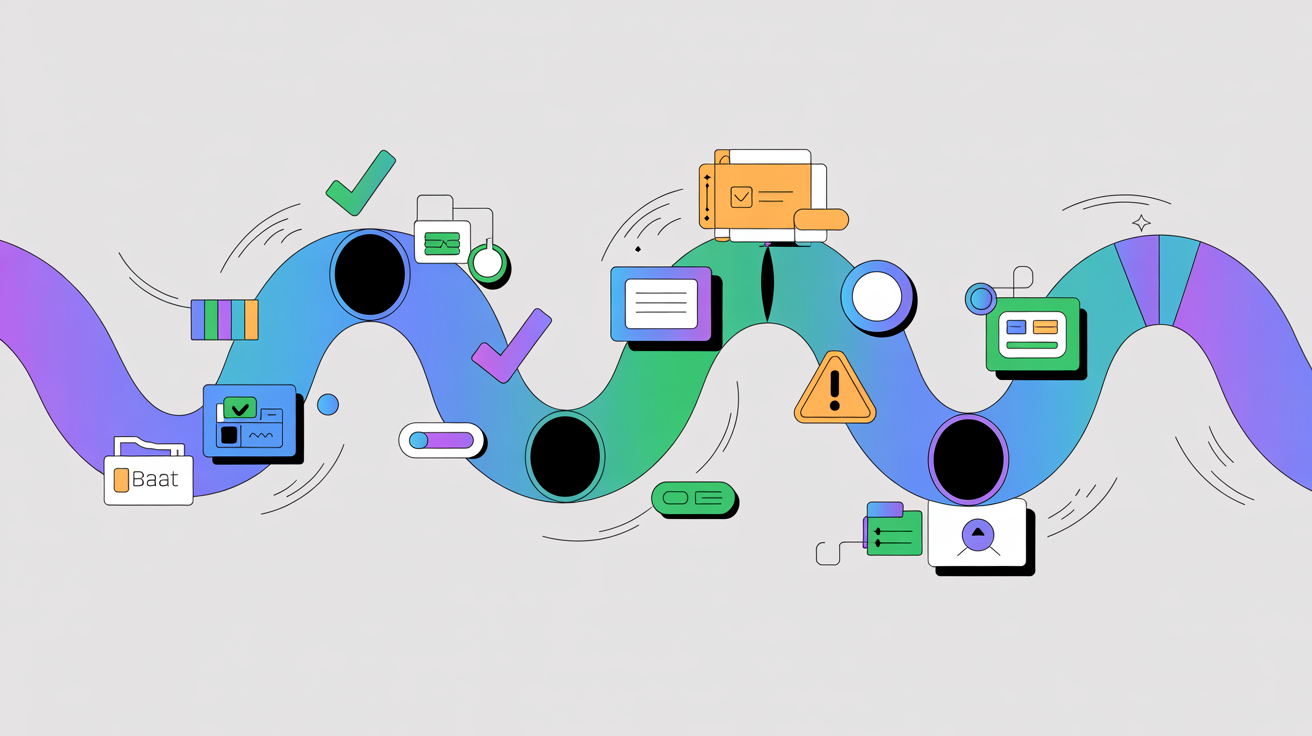
Why forecasting fails when the system is weak
Forecasts don’t fail because reps are optimistic.
They fail because the system allows ambiguity.
If:
-
stages don’t mean anything
-
activity isn’t enforced
-
time-in-stage isn’t tracked
then forecasts are guesses.
In 2026, strong revenue systems rely on:
-
pipeline velocity
-
stage aging
-
conversion rates by stage
-
historical patterns
These metrics only work when the pipeline is structurally sound.
Revenue visibility requires analytics + CRM alignment
HubSpot doesn’t replace analytics — it completes them.
GA4 tracks behavior and conversions, following GA4 key events. Search Console explains demand. HubSpot connects that activity to pipeline and revenue.
When these systems are aligned, leadership stops asking:
“Do we trust these numbers?”
That trust is the real output of a revenue system.
Why most revenue systems never get fixed
Because fixing them removes comfort.
A clean revenue system exposes:
-
weak follow-up
-
poor qualification
-
stalled deals
-
broken assumptions
Many teams unconsciously prefer optimistic chaos to uncomfortable clarity.
But in 2026, clarity compounds. Chaos doesn’t.
Why CRM Magnetics builds revenue systems, not pipelines
At CRM Magnetics, we don’t “optimize pipelines”.
We design revenue systems inside HubSpot.
That includes:
-
lifecycle logic
-
pipeline architecture
-
automation and SLAs
-
analytics and dashboards
-
alignment between marketing and sales
The goal isn’t more deals in the CRM.
It’s fewer leaks in the system.
HubSpot Setup & Automation by CRM Magnetics
Final thought
In 2026, revenue growth doesn’t come from working harder or adding more tools.
It comes from systems that don’t leak.
If your pipeline looks busy but revenue feels fragile, the problem isn’t effort.
It’s architecture.
And if you want help building a HubSpot revenue system that actually holds together — that’s exactly what we do.
Talk to CRM Magnetics about building a revenue system that scales
And stop losing deals you never even saw slip away
Leave your thought here
Your email address will not be published. Required fields are marked *