


- January 30 2026
- Nikias Kray
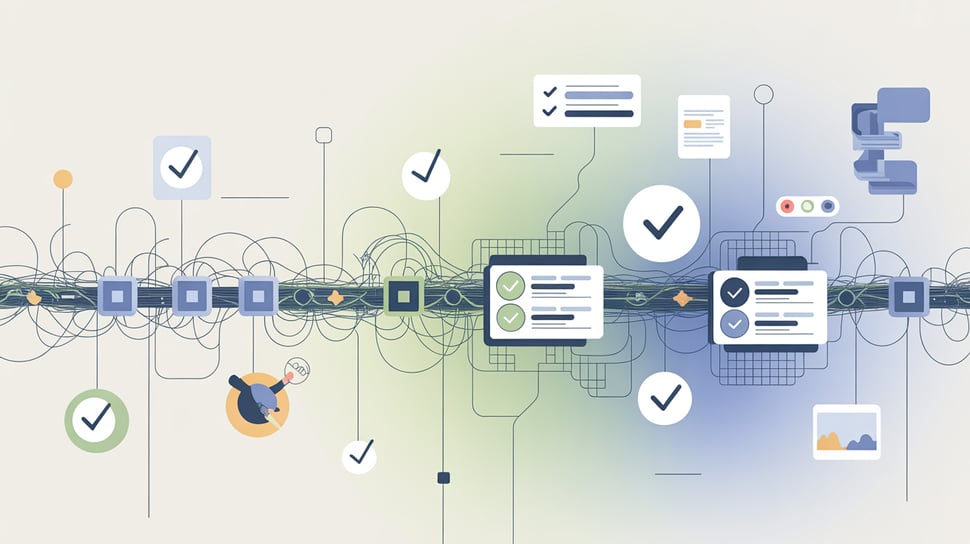
December is a dangerous month for CRMs.
Not because anything breaks — but because everything freezes. Campaigns slow down, sales relaxes, automation keeps running in the background, and small inconsistencies quietly turn into structural problems.
Then January arrives.
New goals. New forecasts. Same broken system.
An end-of-year HubSpot audit isn’t about cleaning for the sake of order.
It’s about making sure your growth system actually survives the next year.
Why HubSpot audits matter more now than ever
HubSpot portals don’t rot suddenly.
They decay gradually.
Properties get added “temporarily”.
Workflows are layered on top of old logic.
Pipelines drift away from reality.
Reports stop being trusted.
By 2026, most HubSpot issues are not technical — they’re architectural.
That’s why the end of the year is the only moment when you can:
-
pause automation safely
-
review assumptions
-
reset discipline
-
start January with control
Skipping this audit almost guarantees that next year’s problems will feel “mysterious”.
What this audit is (and what it isn’t)
This is not:
-
a feature checklist
-
a “turn everything on” guide
-
a generic HubSpot tutorial
This is a reality check.
Each section below represents a class of problems we consistently find during audits — even in portals that “work fine”.
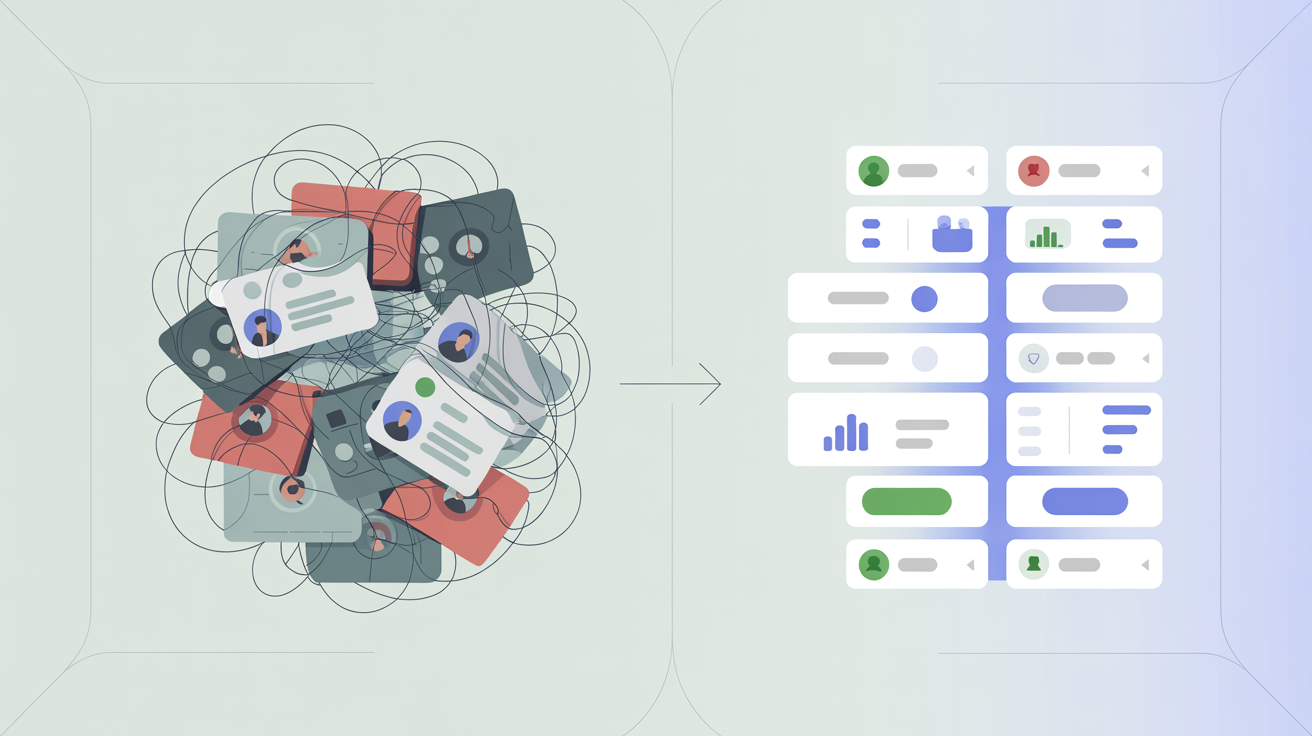
1. Data & CRM foundations (where decay always starts)
Most HubSpot problems begin with data — not workflows.
Before January, it’s critical to ask:
-
Are contacts, companies, and deals actually connected correctly?
-
Do required properties reflect reality — or history?
-
Are there duplicate fields doing the same job?
-
Is ownership consistent and meaningful?
If sales doesn’t trust the CRM as a source of truth, everything built on top of it is fragile.
This is also where lifecycle definitions matter. HubSpot’s lifecycle model exists to create shared understanding, as described in HubSpot lifecycle stages documentation. If stages mean different things to different teams, reporting is already broken.
2. Pipeline reality check (where optimism hides)
December pipelines almost always lie.
Deals look active, but:
-
stages are outdated
-
next steps are missing
-
inactivity isn’t visible
-
close dates drift endlessly
An end-of-year audit should surface uncomfortable truths:
-
Which deals haven’t moved in weeks?
-
Which stages allow deals to stall?
-
Which required fields are ignored?
-
Which loss reasons are never filled?
Pipelines don’t fail because reps are dishonest.
They fail because the system allows ambiguity.
3. Automation sanity check (the silent risk)
Automation keeps running whether you look at it or not.
By year-end, most portals suffer from:
-
overlapping workflows
-
unclear ownership
-
outdated conditions
-
automations nobody remembers creating
HubSpot workflows are powerful, but only when they are intentional — a point HubSpot itself emphasizes in HubSpot workflows documentation.
Before January, every workflow should be answerable:
-
What problem does this solve?
-
Who owns it?
-
What breaks if it’s turned off?
If nobody can answer — it’s a liability.

4. Lead handling & follow-up (where revenue leaks quietly)
End-of-year audits often reveal a painful truth:
leads came in — but weren’t handled consistently.
Before January, you should clearly see:
-
speed-to-lead by source
-
% of leads contacted within SLA
-
handoff clarity between marketing and sales
-
what happens to unqualified leads
If lead handling relies on “we usually do this”, you’re losing money.
This is where automation should protect revenue, not complicate it.
5. Analytics & reporting trust test
Dashboards are only useful if people believe them.
An audit should ask:
-
Do GA4 events align with CRM conversions?
-
Are sources preserved correctly?
-
Do reports answer business questions — or vanity ones?
Google Analytics 4 tracks behavior and events, following GA4 key events guidelines. But revenue truth still lives in CRM.
If GA4 and HubSpot tell different stories, leadership will trust neither.
6. Permissions, process, and human reality
One of the most overlooked audit areas is people.
Before January:
-
Who can edit pipelines?
-
Who can create workflows?
-
Who owns data definitions?
-
Who is responsible when something breaks?
Many CRM disasters are permission problems disguised as “bugs”.
A clean HubSpot portal reflects clear ownership — not just clean data.
Why most teams skip this audit (and regret it later)
Because audits don’t feel urgent.
They don’t generate leads.
They don’t close deals.
They don’t look impressive.
But they prevent the slow erosion that kills growth in Q2 and Q3.
By the time problems feel urgent, fixing them is disruptive.
Why CRM Magnetics treats audits as growth work
At CRM Magnetics, end-of-year audits are not cleanup exercises.
They are preparation for scale.
We use audits to:
-
remove hidden friction
-
stabilize automation
-
realign teams
-
make numbers trustworthy again
Audits are often the fastest way to unlock growth without adding more tools, channels, or headcount.
HubSpot Setup & Automation by CRM Magnetics
Final thought
January doesn’t fix systems.
It only exposes them.
If your HubSpot portal feels “mostly fine”, December is your last safe moment to verify that assumption.
Because in 2026, growth will punish fragile systems faster than ever.
Talk to CRM Magnetics about a year-end HubSpot audit
Start January with clarity — not inherited chaos.
Leave your thought here
Your email address will not be published. Required fields are marked *